
Smart Kitchen Gadgets
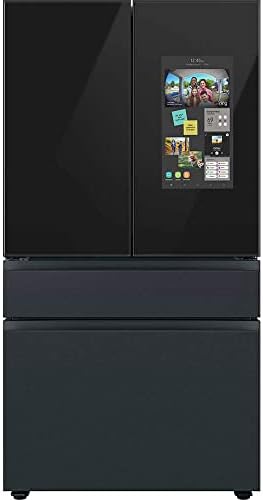
In recent years, the kitchen has transformed into a hub of innovation, where technology and culinary arts converge to elevate the cooking experience. Smart kitchen gadgets are at the forefront of this revolution, providing tools that simplify meal preparation, enhance cooking efficiency, and support healthier lifestyle choices. One of the standout inventions is the smart oven, which can be controlled remotely via a mobile application. This technology allows users to preheat the oven while running errands or to monitor cooking progress from a distance, ensuring perfectly cooked meals without constant supervision.
Another exciting addition to the smart kitchen landscape is the advanced blender. These blenders come equipped with app integration, enabling users to access a wide array of recipes and customize blending settings through their smartphones. This means one can create smoothies, nut butter, or soups with just a few taps, and the device can even provide real-time feedback on blending consistency. Such innovations not only save time but also help individuals experiment with their culinary skills, pushing the boundaries of what can be achieved in the kitchen.
Additionally, automatic grocery list generators are becoming increasingly popular, providing a seamless solution for tracking kitchen inventory. By monitoring the items in your pantry in real-time, these gadgets can automatically suggest grocery lists based on consumption patterns and recipe requirements. This innovative approach minimizes food waste and ensures you have the necessary ingredients on hand for your next culinary adventure. Collectively, these smart kitchen gadgets embody the future of cooking where convenience meets creativity. By integrating advanced technology into everyday tasks, they inspire healthy eating habits and make the art of cooking more accessible to everyone.
Home Automation Systems
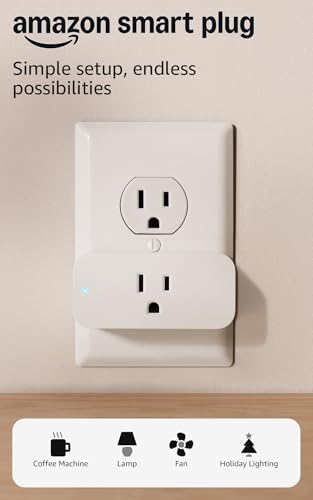
The evolution of home automation represents a transformative phase in household management, rendering daily routines more efficient and user-friendly. Smart home hubs lie at the heart of this revolution, facilitating seamless integration of numerous devices under a single control system. These hubs allow individuals to manage everything from thermostats to lighting and security systems with just a few taps on a smartphone or voice commands. Such unification not only simplifies operation but also enhances the synergy between various components of the home.
Intelligent lighting systems further exemplify the advancements in home automation. These systems can adapt their illumination based on user preferences, time of day, or ambient light levels. For instance, smart bulbs can be programmed to adjust brightness automatically or change colors to suit specific moods or activities, contributing significantly to energy efficiency. Users can control these lighting settings remotely or schedule them according to individual lifestyles, thus maximizing comfort and reducing energy consumption even when residents are away.
Security has also been significantly enhanced through the application of advanced AI technologies in surveillance cameras. Modern security systems utilize sophisticated algorithms to differentiate between ordinary movement and potentially suspicious activity, thereby minimizing false alarms. Users receive instant notifications on their smartphones, allowing them to respond to threats in real-time, regardless of their locations. Furthermore, many of these cameras can be integrated with other smart home devices, creating a comprehensive security network that monitors and protects properties more effectively.
In essence, the shift towards home automation systems is not merely about adopting technology; it is about enhancing quality of life. By streamlining how devices communicate and operate together, these innovations foster a more convenient, secure, and energy-efficient household environment.


Sustainable Tech Solutions
The importance of sustainability in household technology has grown significantly in recent years, driven by heightened awareness of environmental issues and the desire for eco-friendly solutions. As consumers seek to adopt greener lifestyles, innovative products are emerging that prioritize sustainability, enabling households to make a positive impact on the planet while enjoying enhanced convenience and efficiency. These sustainable tech solutions encompass solar-powered appliances, energy-efficient smart thermostats, and water-saving devices that collectively contribute to reduced energy and water consumption.
Solar-powered appliances represent a key advancement in sustainable household technology. By harnessing renewable energy from the sun, these appliances minimize reliance on fossil fuels and decrease carbon footprints. For instance, solar-powered outdoor lights not only illuminate spaces efficiently but also significantly reduce electricity costs. Similarly, solar-powered chargers offer eco-friendly alternatives for powering electronic devices, ensuring that households integrate sustainable practices without sacrificing convenience.
Smart thermostats play a crucial role in optimizing energy usage within homes. Equipped with artificial intelligence, these devices learn the patterns of household occupants, automatically adjusting heating and cooling settings for maximum energy efficiency. By utilizing these intelligent systems, homeowners can significantly reduce their energy bills while promoting environmental conservation. Many smart thermostats even provide real-time data relating to energy usage, allowing consumers to make informed decisions about their energy consumption habits.
Water-saving devices are equally important in the realm of sustainable technology. Installing low-flow faucets and showerheads, as well as smart irrigation systems, can drastically minimize water waste. Such innovations not only support environmental preservation but also lower water bills, making them economically sensible choices for environmentally-conscious consumers. In conclusion, integrating sustainable tech solutions into household practices represents an effective approach to achieving both environmental responsibility and financial savings.
Health and Wellness Devices
In recent years, the integration of technology into home health and wellness has gained notable momentum. Various innovative devices are revolutionizing how individuals monitor and improve their overall well-being within the confines of their own homes. One standout technology is the smart air purifier, which actively measures indoor air quality. These devices leverage advanced sensors to detect pollutants, allergens, and even volatile organic compounds (VOCs) in the air, ensuring that households maintain a clean and safe environment. By purifying the air and filtering out harmful particles, smart air purifiers not only promote respiratory health but also contribute to better sleep quality and overall mental well-being.
Another significant advancement can be found in innovative sleep trackers. These sophisticated devices utilize cutting-edge technology to monitor various sleep metrics such as duration, quality, and even sleep stages. Many of these trackers communicate with mobile applications to provide personalized insights and recommendations aimed at optimizing rest and recovery. By tracking patterns over time, users can make informed adjustments to their routines, which ultimately support improvements in mood, energy, and productivity levels. Sleep is foundational to maintaining a healthy lifestyle, making these devices indispensable for those seeking to enhance their sleep quality.
In addition to air quality and sleep monitoring, home gym equipment is also undergoing a transformative shift through the incorporation of virtual training experiences. Modern fitness machines often come equipped with screens that connect users to live classes or on-demand workouts, offering a comprehensive fitness solution from the comfort of home. This technology fosters motivation through community engagement and real-time feedback, enhancing the overall workout experience. As individuals incorporate these health and wellness devices into their daily lives, they can create a more supportive environment for achieving their physical goals and maintaining a balanced mental state.


